Guide
Water hardness: how to find yours
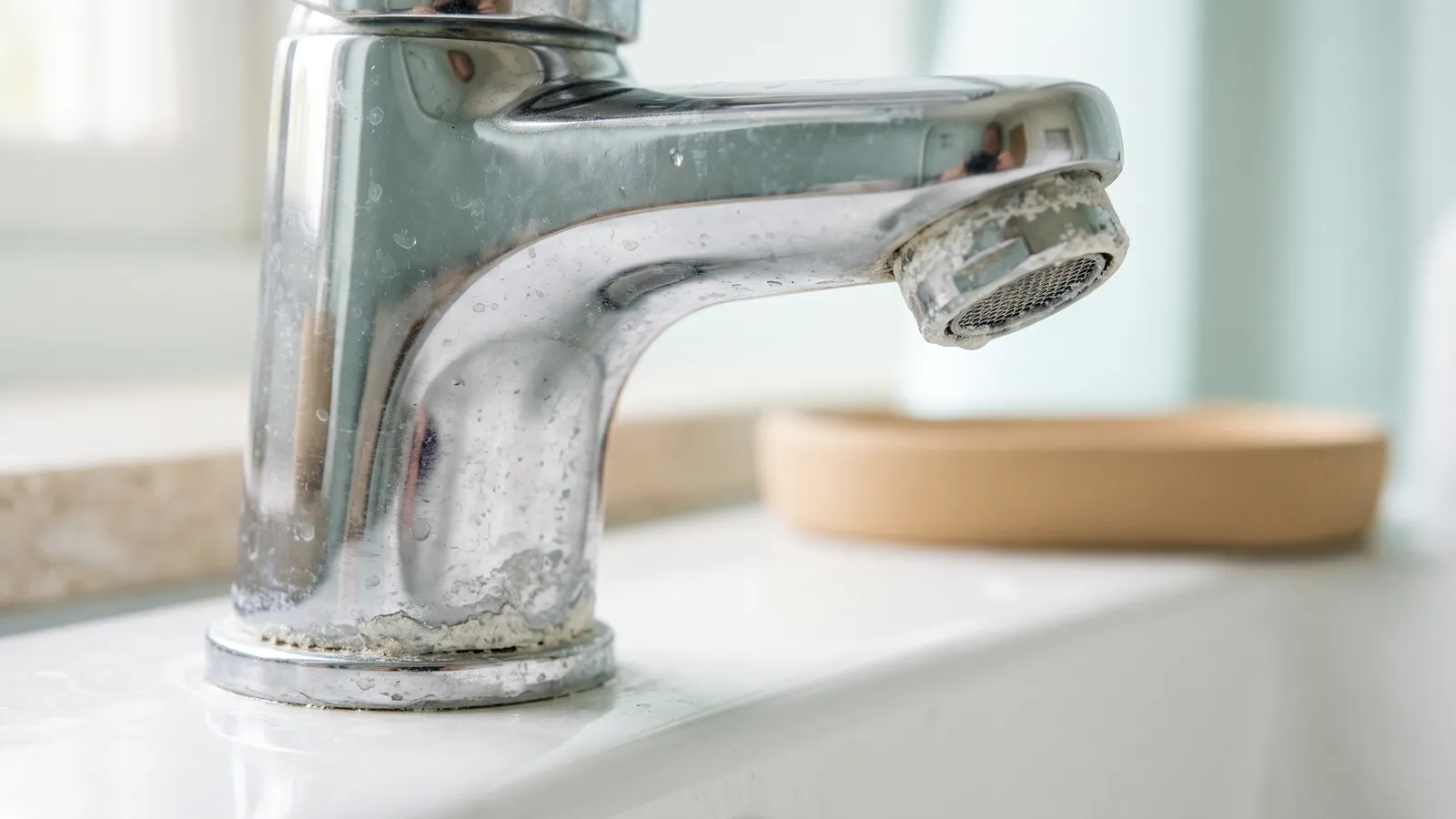
Your water supplier publishes the hardness for your postcode. Look for mg/l of calcium carbonate (CaCO3): from about 200 mg/l, water readily leaves limescale.
Reviewed on 17 Nov 2026. I haven’t tested these products: I compare their spec pages. Prices change, so I don’t copy them here: check them at the link.
Where to look
- Your water supplier: most have a postcode checker on their website showing hardness and water quality for your area.
- The Drinking Water Inspectorate: explains the hardness scale and points you to your supplier.
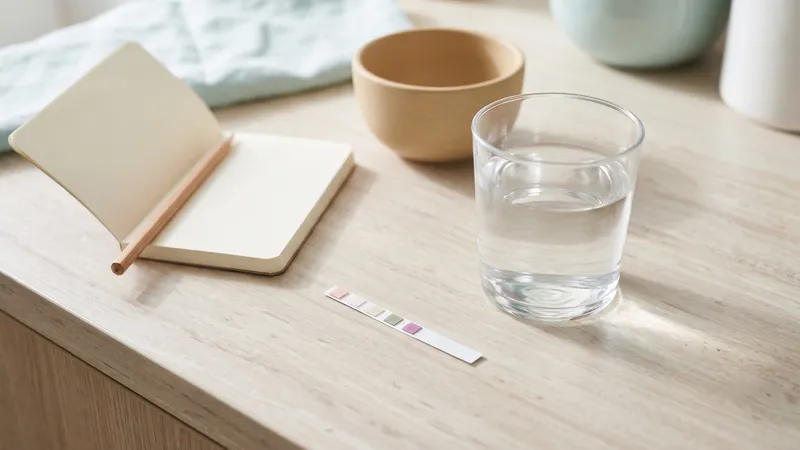
- Test strip: cheap and quick, less accurate.
How to read the number
Hardness is given in mg/l of calcium carbonate (CaCO3), sometimes in Clark degrees or French degrees. 1 °fH = 10 mg/l CaCO3.
The Drinking Water Inspectorate uses this scale: soft up to 100 mg/l, slightly hard from 100 to 150, moderately hard from 150 to 200, hard from 200 to 300 and very hard above 300. It also notes that, according to the WHO, from 200 mg/l water produces scale.
What hardness isn’t
Hardness doesn’t mean the water is bad. It’s about limescale and convenience; the quality of tap water is checked by the DWI.
Sources
Keep reading