Comparison
Softener or reverse osmosis?
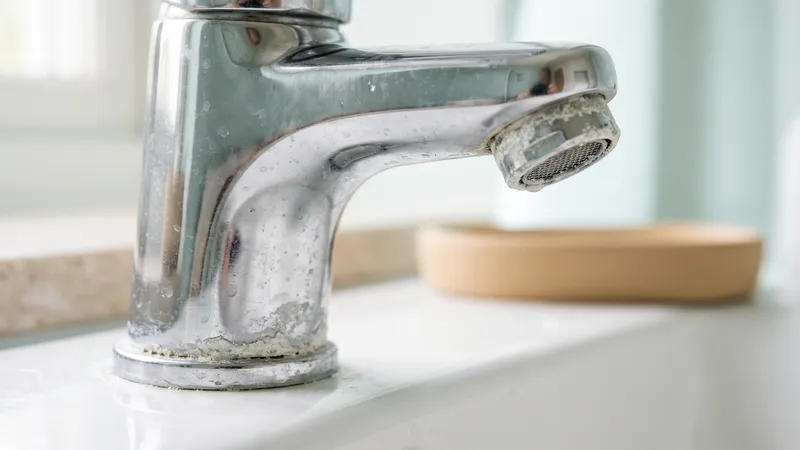
A softener if limescale is ruining taps, shower screens and appliances. Reverse osmosis if you want drinking water that tastes different and to give up bottled water. If both happen to you, both.
Reviewed on 17 Nov 2026. I haven’t tested these products: I compare their spec pages. Prices change, so I don’t copy them here: check them at the link.
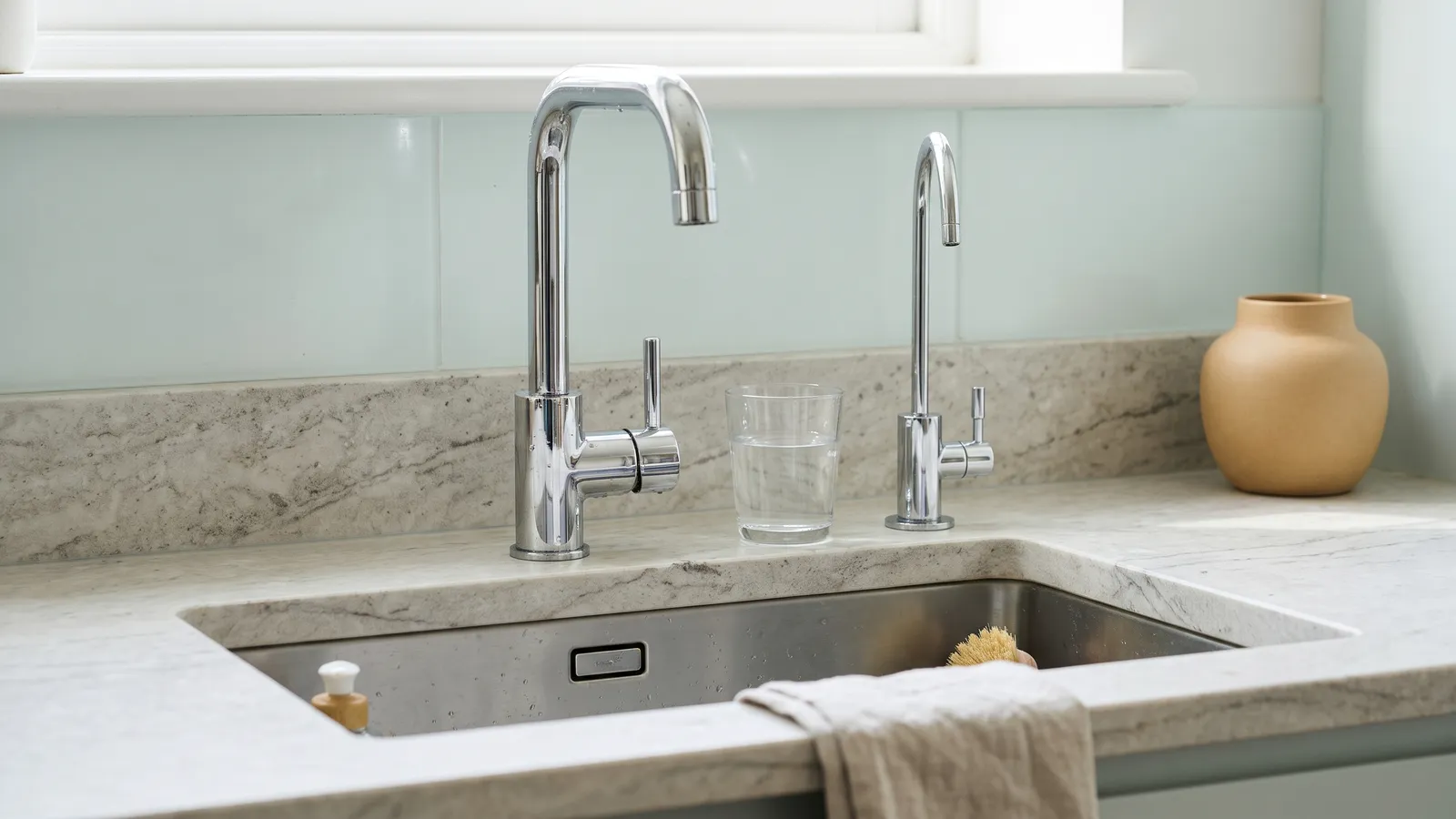
What each one does
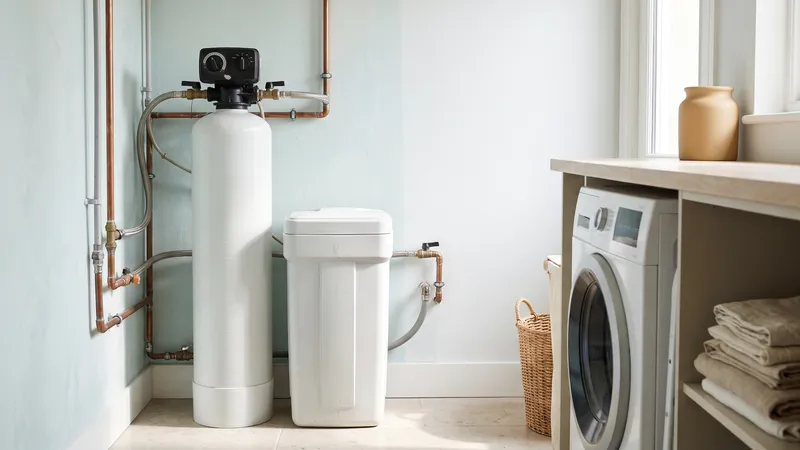
- Softener: fitted on the incoming supply, it swaps the limescale (calcium and magnesium) for sodium in a resin. It treats the whole house.
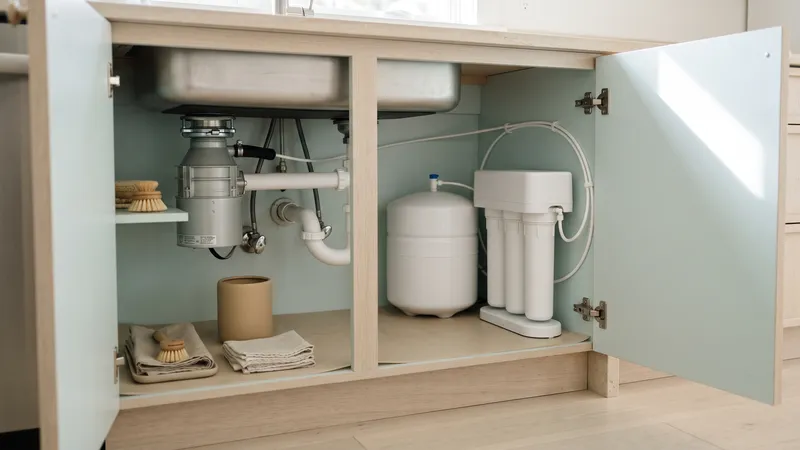
- Reverse osmosis: fitted under the sink, it separates most of the salts from the water that comes out of its own tap. It treats only that tap.
When both
If you fit both, the softener goes on the incoming supply and the reverse osmosis at the kitchen tap.
When neither
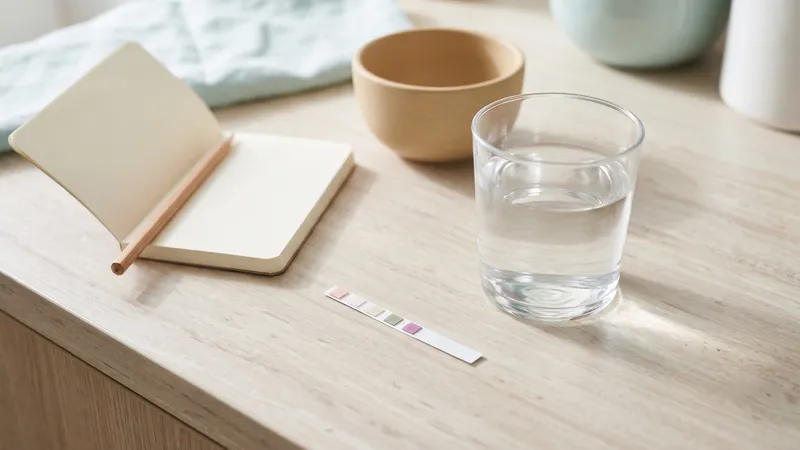
If your water is soft (see how to find your water hardness) and only the taste bothers you, a jug or an under-sink filter is enough.
- iSpring WCS15KGSee on Amazon
- Waterdrop G3P600See on Amazon
Questions
Can you drink softened water?
That’s not my call. A softener swaps limescale for sodium. In the UK it’s common to keep one kitchen tap on unsoftened water for drinking: ask the softener’s maker and your installer.
Sources
Keep reading