Comparison
Reverse osmosis: tank or tankless
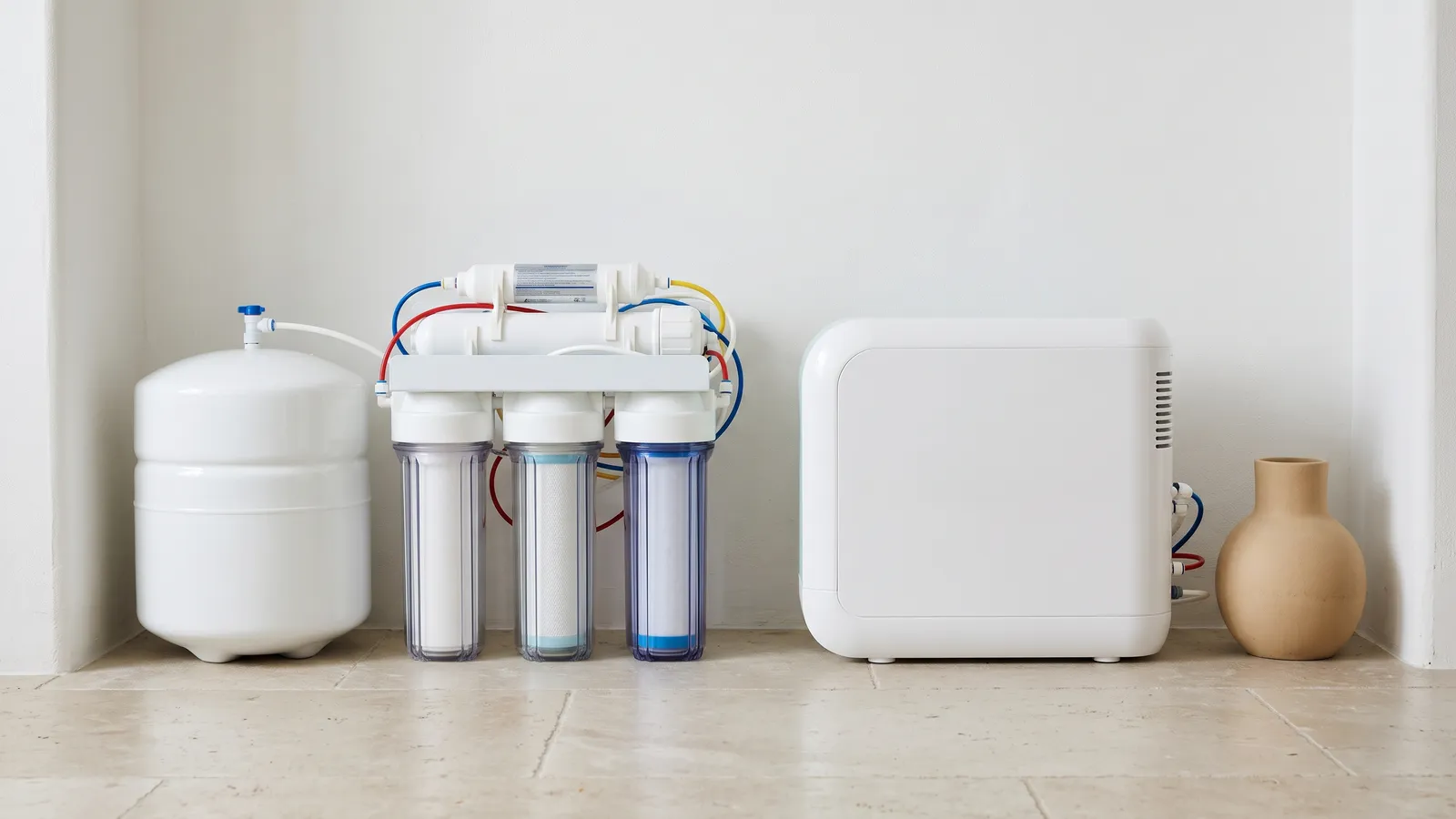
Tankless if you have a socket under the sink and little room: the Waterdrop G3P600. With a tank if there’s no socket: the iSpring RCC7.
Reviewed on 17 Nov 2026. I haven’t tested these products: I compare their spec pages. Prices change, so I don’t copy them here: check them at the link.
| Waterdrop G3P600 | iSpring RCC7 | |
|---|---|---|
| Tank | No | Yes |
| Power | Yes | No |
| Stages | 8 | 5 |
| Flow rate | 600 GPD | 75 GPD |
| Filters | 6, 12 and 24 months | Not in the listing |
| Certificates | NSF/ANSI 42, 53, 58 and 372 | NSF/ANSI 58 (listing) |
Space
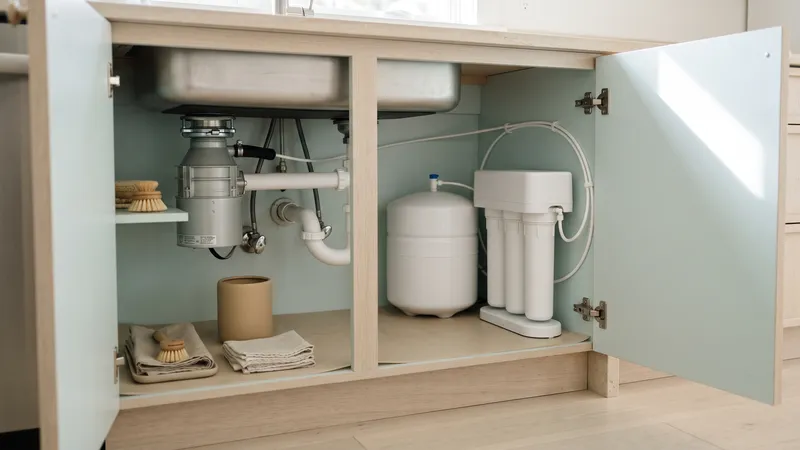
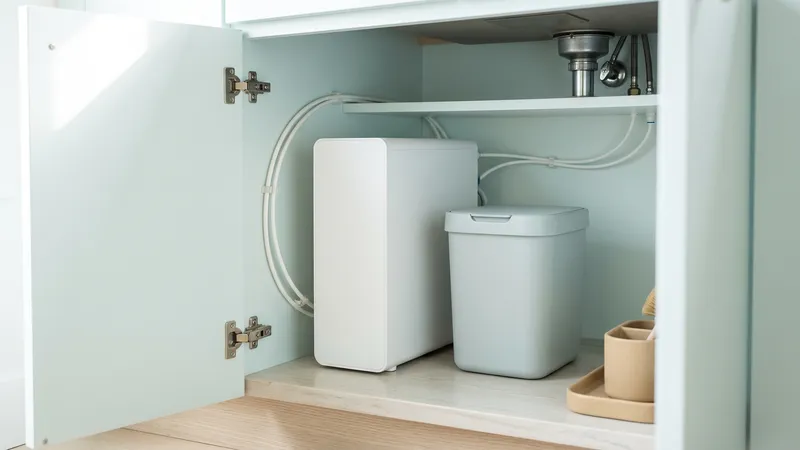
The G3P600 measures 46 × 14.4 × 45 cm and that’s all there is. The RCC7 has its filter housings plus a separate tank. In a sink cupboard that also holds the bin, the tankless one usually fits better.
Power and flow
The G3P600 has a pump: it needs a socket and, in return, delivers 600 gallons a day. The RCC7 has no pump and produces much more slowly: its tank stores water so you have a full glass when you open the tap.
Filters
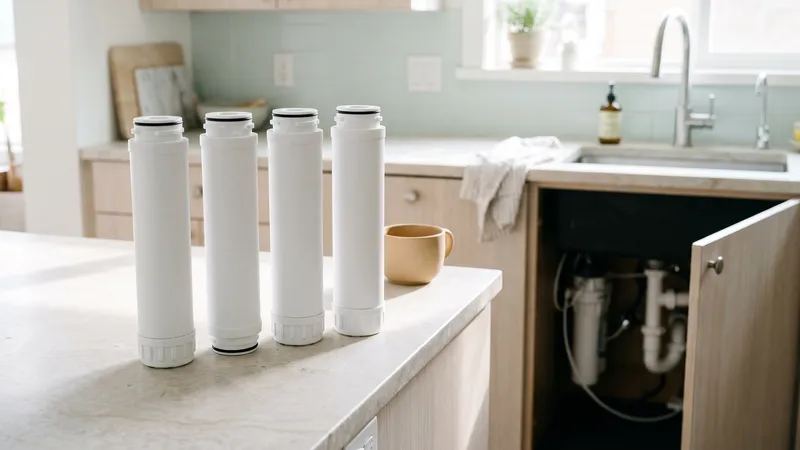
Waterdrop uses its own cartridges that change with a twist. iSpring names its replacement sets on the listing. More in replacement filters.
- Waterdrop G3P600See on Amazon
- iSpring RCC7 (with tank)See on Amazon
Questions
Which one wastes less water?
Waterdrop gives a 2:1 ratio for the G3P600. The RCC7 listing doesn’t give a waste ratio, so I can’t compare them.
And if my water pressure is low?
The G3P600 has its own pump. For the RCC7, ask iSpring about the minimum pressure before buying.
Sources
Keep reading